Northern Cyprus is home to rich historical landmarks and age-old traditions, but they face threats like urban growth, neglect, and limited global recognition. Locals are stepping up to protect these treasures through grassroots efforts, community projects, and education. Here’s a quick overview of how they’re making a difference:
- Challenges: Urbanisation, lack of international recognition, and funding issues put historical sites and crafts at risk.
- Local Efforts: Residents restore monuments, host festivals, and teach skills like embroidery to keep traditions alive.
- Key Organisations: Groups like HASDER and local NGOs document and promote heritage while collaborating with universities and volunteers.
- Successful Projects: Restoration of Salamis ruins, Lefkara embroidery workshops, and festivals like İskele and Güzelyurt highlight community dedication.
- Visitor Involvement: Tourists can support by attending festivals, buying handmade crafts, and respecting preservation guidelines.
Locals are the backbone of heritage preservation in Northern Cyprus, ensuring its history and traditions endure despite obstacles.
Problems Facing Heritage Preservation in Northern Cyprus
Heritage preservation in Northern Cyprus is a labour of love for many local communities, but it’s not without its challenges. A mix of environmental pressures, political hurdles, and limited resources makes it increasingly tough to protect historical sites and cultural traditions.
Threats to Historical and Heritage Sites
Urban development is one of the biggest threats to historic buildings and archaeological sites. As towns grow, they often expand without considering the heritage they might be displacing. The Mediterranean climate also takes its toll, with weathering slowly eroding ancient structures, weakening foundations, and wearing down intricate architectural details. Vernacular settlements, which lack formal conservation guidelines, are particularly at risk. Meanwhile, underwater heritage, like the submerged ruins of Salamis, faces its own set of problems. Without adequate protection, these sites are vulnerable to damage caused by boats, diving activities, and natural erosion. All of these issues are compounded by a lack of funding, which makes addressing these threats even harder.
How Limited International Recognition Affects Funding
The political status of the Turkish Republic of Northern Cyprus significantly impacts heritage funding. Without international recognition, access to UNESCO funding and global conservation programmes is off the table. This forces local communities to take on restoration projects bit by bit, even when costs can climb into the hundreds of thousands of pounds. The funding shortfall doesn’t just affect physical sites; it also impacts the preservation of intangible heritage, like traditional crafts, folk music, and oral traditions. These cultural treasures rely on documentation, education, and community events to survive, but without adequate resources, these efforts often fall short. As a result, local protection systems are left to shoulder much of the burden.
Current Local Heritage Protection Systems
To fill the gaps left by limited international support, local and governmental frameworks work alongside community efforts to protect heritage. Government departments coordinate formal protection, often supported by organisations like HAS-DER. However, challenges remain, particularly in documenting and maintaining both tangible and intangible heritage. The Constitution of the Turkish Republic of Northern Cyprus (Section 39) provides legal backing for preserving historical, natural, and cultural values, and many monumental structures have been declared ancient monuments. That said, some historically significant sites have only recently started receiving formal protection. Intangible heritage faces even more difficulties, with limited documentation, a lack of educational initiatives, and varying levels of community involvement making preservation a complex task.
Community Projects for Heritage Preservation
In Northern Cyprus, local residents are at the forefront of preserving their heritage. Through grassroots efforts, they tackle everything from restoring historic sites to running educational programmes that keep traditional crafts alive. These initiatives are brought to life through projects that blend hands-on restoration with community engagement.
Local Restoration and Maintenance Projects
Across Northern Cyprus, communities are rolling up their sleeves to restore and maintain historical landmarks. In places like Famagusta, Nicosia, Salamis, and Dipkarpaz, skilled craftspeople and volunteers work together to breathe new life into architectural treasures. Funding for these projects often comes from community-driven events, donations, and partnerships with local businesses and municipal authorities.
Organisations like the Foundation of Evkaf and the Association of the Chambers of Turkish Cypriot Engineers and Architects (KTMMOB) play a key role in supporting these efforts. Meanwhile, residents contribute through volunteer work and in-kind donations, making these projects financially feasible.
In Karpaz and Güzelyurt, traditional techniques are central to restoration efforts, ensuring that the work stays true to the original character of these vernacular settlements. This approach not only preserves the physical structures but also maintains the cultural essence of these areas.
Education and Heritage Awareness Programmes
Heritage preservation isn’t just about repairing old buildings – it’s also about fostering a deeper understanding of cultural history within the community. Educational initiatives are instrumental in passing down traditional knowledge and encouraging public support for conservation.
One standout example is the Lefkara Embroidery Workshop, a collaboration between Near East University‘s Atatürk Faculty of Education and HASDER. This project not only safeguarded traditional embroidery techniques but also strengthened ties between academia and civil society.
These educational efforts extend beyond universities, reaching schools and community centres. Workshops, festivals, and events are organised to highlight the importance of heritage conservation. For instance, the Walled City Museum in Nicosia recently brought ancient Cypriot motifs back to life through stained-glass artworks by artist Sinem Akın Kılınç. This project offered a fresh way to connect modern audiences with 2,500 years of cultural history.
Local NGOs and Volunteer Conservation Work
Non-governmental organisations (NGOs) and volunteers are the driving force behind long-term heritage preservation. These groups act as a bridge between local communities and official heritage bodies, advocating for stronger protection measures while coordinating conservation efforts. Organisations like HAS-DER have been champions of traditional arts and cultural education for years.
By organising projects, mobilising volunteers, and filling gaps left by limited official resources, these NGOs ensure that both tangible and intangible cultural heritage are preserved. Volunteer groups often focus on specific sites or traditions, bringing their expertise and enthusiasm to the table.
The collaboration among craftspeople, researchers, and volunteers creates a well-rounded approach to heritage preservation. This teamwork not only addresses immediate restoration needs but also lays the groundwork for safeguarding cultural traditions for future generations.
Examples of Successful Community Heritage Projects
Building on earlier discussions of grassroots initiatives, these examples highlight how local communities in Northern Cyprus have achieved meaningful outcomes in preserving historical sites and traditional practices through collaboration and expert guidance.
Restoration of Historical Sites
The Salamis archaeological site is a shining example of community-led restoration. Local volunteers, working alongside the Department of Ancient Monuments and Museums, have played a key role in preserving these ancient ruins, ensuring they remain accessible while maintaining their historical authenticity.
In places like Famagusta, community groups have teamed up with local authorities and skilled craftspeople to restore medieval and vernacular architecture. By combining traditional methods with modern conservation techniques, they’ve managed to safeguard entire cultural landscapes that tell the story of centuries of local life. These efforts not only protect the physical heritage but also inspire similar initiatives focused on preserving crafts and traditions.
Protecting Local Traditions and Crafts
The Lefkara Embroidery Workshop, held in December 2024, demonstrates how partnerships between educational institutions and community organisations can help preserve traditional crafts. This collaboration – led by Near East University’s Atatürk Faculty of Education and the HASDER Handicrafts Center – brought students and local experts together to learn embroidery techniques, document traditional patterns, and award certificates to encourage continuity.
HASDER (Folk Arts Association) is a cornerstone of heritage preservation in Northern Cyprus. Established in 1977, it has spent nearly five decades ensuring folk music, dance, and crafts are passed down through generations. Through festivals, workshops, and educational programmes, HASDER has kept Turkish Cypriot intangible heritage alive.
The Walled City Museum in Nicosia has taken a creative approach to connect modern audiences with the past. Artist Sinem Akın Kılınç’s stained-glass artworks, inspired by 2,500-year-old Cypriot motifs, bring ancient archaeological designs into contemporary spaces, bridging the gap between history and the present.
Local festivals such as the İskele Festival, Zeytinlik Festival, and Güzelyurt Festival have also become platforms for cultural exchange. These events now include community workshops and intergenerational craft demonstrations, offering hands-on learning experiences that celebrate and sustain traditional practices. Responsible tourism has become a crucial element in supporting these efforts, ensuring that heritage preservation goes hand in hand with visitor engagement.
How Caesar Bay Supports Responsible Heritage Tourism
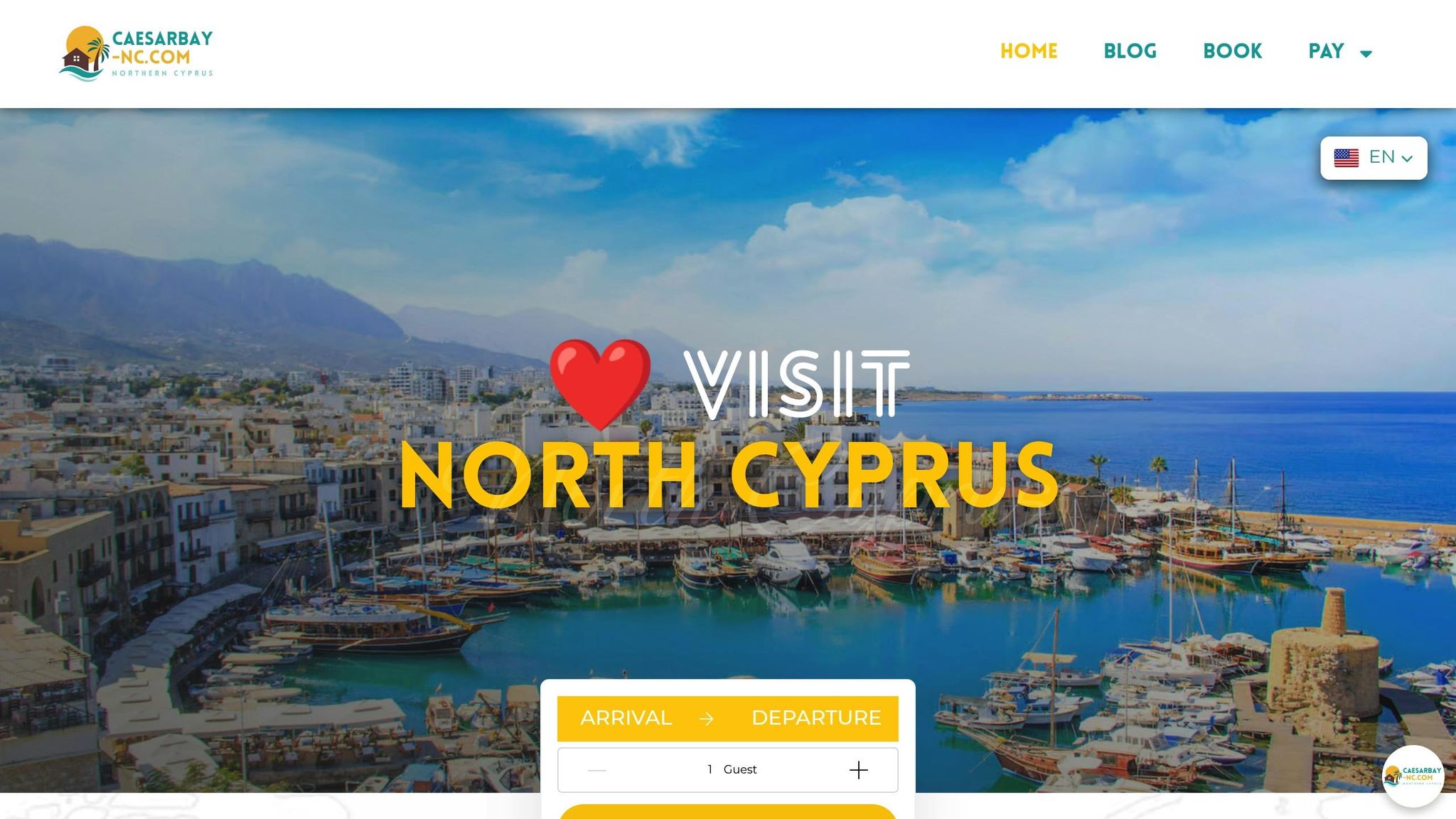
Caesar Bay actively promotes heritage preservation by encouraging responsible tourism practices that directly support local conservation. Through detailed travel guides and insights into local heritage, they inspire respectful visits and meaningful cultural engagement. By highlighting lesser-known attractions and offering practical tips, Caesar Bay helps visitors appreciate the richness of Northern Cyprus’s heritage while adhering to sustainable tourism principles.
Additionally, Caesar Bay educates its guests about local customs and the historical significance of various sites, transforming tourism into a force for good. Visitors are encouraged to attend local festivals, purchase authentic crafts from artisans, and explore educational materials to deepen their connection to the island’s heritage. This approach not only enhances the visitor experience but also ensures their participation contributes to the preservation of Northern Cyprus’s cultural legacy [context].
Conclusion: Supporting Heritage Through Local Action
The rich heritage of Northern Cyprus thrives thanks to the dedication of local communities, visitors, and organisations. Efforts like those led by HASDER highlight how grassroots initiatives can leave a lasting mark. This local focus also creates opportunities for visitors to play an active role in preserving cultural traditions.
How Visitors Can Support Local Heritage Efforts
Travellers can make a real difference by immersing themselves in the local culture. Instead of merely observing, visitors should actively participate in cultural activities.
Buying handmade crafts or attending traditional festivals not only supports the local economy but also helps preserve age-old skills, such as Lefkara embroidery, ensuring they are passed down to younger generations. Similarly, visiting landmarks like the Ruins of Salamis – while respecting local guidelines – contributes to both awareness and conservation funding. Beyond financial contributions, these experiences foster a deeper understanding of the region’s history and traditions. Joining community-led tours can further enrich this connection, offering a more authentic perspective.
Even choices like staying in accommodations that prioritise cultural engagement over mass tourism can make a big impact, ensuring that tourism directly benefits heritage preservation efforts.
The Future of Community Heritage Preservation
The long-term preservation of Northern Cyprus’s heritage depends on stronger partnerships between universities, NGOs, and local communities. A great example is the December 2024 Lefkara Embroidery Workshop, co-organised by Near East University and HASDER, which demonstrated how academic collaboration can formally recognise and pass on traditional knowledge.
Creative approaches to showcasing heritage are also helping to engage younger generations. For instance, the Walled City Museum has reimagined 2,500-year-old Cypriot motifs as contemporary stained-glass artworks, thanks to artist Sinem Akın Kılınç. This blend of old and new breathes life into historical traditions, making them relevant to modern audiences.
Youth-focused initiatives like the Heritage Youth Ambassadors programme are equally vital, nurturing leadership skills and a passion for conservation among the next generation. Despite financial hurdles, the future of heritage preservation will be shaped by innovative local projects and strong community involvement.
Looking ahead, expanding heritage education in schools, fostering partnerships with external organisations, and using digital tools to reach broader audiences will be key. By combining creativity, collaboration, and commitment, Northern Cyprus’s communities can ensure their heritage remains vibrant and cherished for generations to come.
FAQs
How can visitors help protect and preserve Northern Cyprus’s cultural heritage?
Visitors hold a key role in protecting the rich heritage of Northern Cyprus. By respecting historical landmarks, adhering to guidelines at UNESCO sites, and supporting local conservation projects, you can make a meaningful difference. Joining guided tours led by local experts not only deepens your understanding but also directly contributes to preservation efforts.
Another way to help is by supporting local artisans and businesses that keep traditional crafts, cuisine, and customs alive. Every mindful choice you make during your visit helps ensure that Northern Cyprus’s heritage remains intact for generations to come.
What challenges do local communities face in preserving the cultural heritage of Northern Cyprus?
Local communities in Northern Cyprus face a tough road when it comes to protecting their rich heritage. One of the biggest hurdles is the lack of funding and resources to maintain and restore historical sites, including those recognised by UNESCO. These landmarks often need regular care to prevent them from falling into disrepair, but tight budgets make this an uphill battle.
Another pressing issue is the need to build greater awareness about the importance of heritage conservation. While many locals are deeply connected to their history, broader community involvement and education are essential to ensure everyone sees the value in preserving these sites for future generations. On top of that, the push for modern development sometimes clashes with the need to protect these historic areas, creating a delicate balancing act.
Even with these obstacles, local initiatives and grassroots efforts are making a difference. From organising clean-up drives to backing restoration projects, residents are stepping up to keep Northern Cyprus’s history and culture alive.
Which organisations are involved in preserving Northern Cyprus’ heritage, and how can visitors contribute?
Local organisations, community groups, and cultural institutions in Northern Cyprus are deeply committed to safeguarding the area’s rich heritage. Their efforts include restoring historical landmarks, maintaining UNESCO-listed sites, and keeping cultural traditions alive. For instance, projects often focus on protecting ancient ruins, revitalising traditional architecture, and hosting events that highlight local customs and history.
As a visitor, you can play a part in these preservation efforts. Whether it’s through donations, joining guided tours led by local experts, or attending cultural events, your support makes a difference. Some initiatives even offer volunteering opportunities, giving you the chance to get hands-on with preservation work while gaining a deeper understanding of the region’s history and traditions.